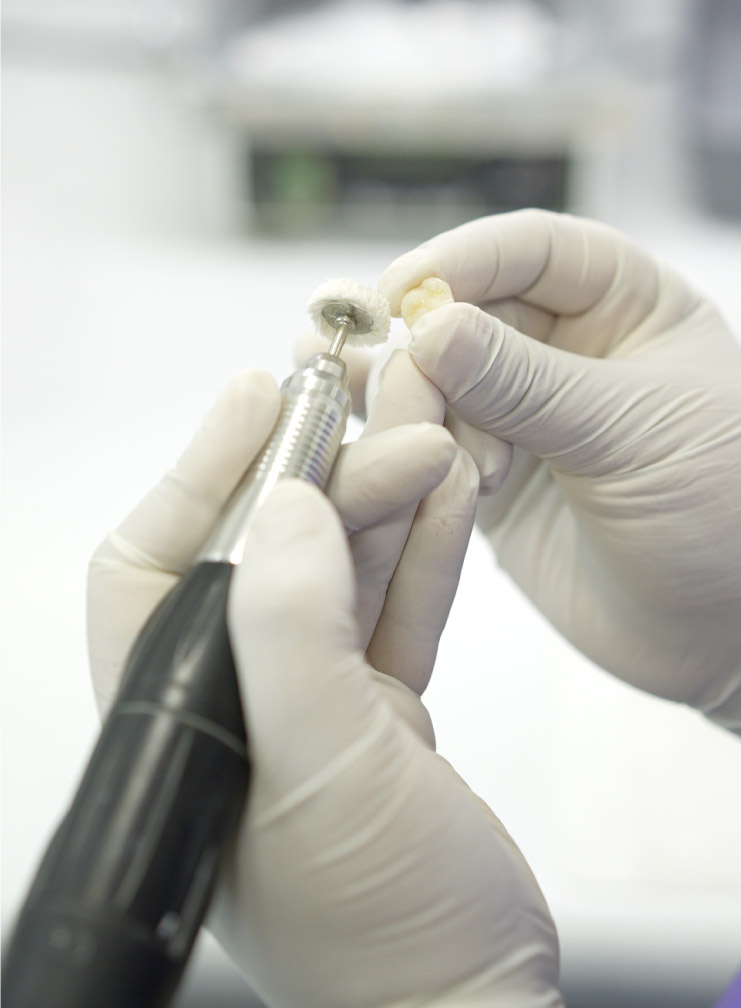
The decayed portion of the tooth is removed and the tooth is rebuilt using composite resin that matches the natural tooth color.
Precision instruments and a wide range of aesthetic composite resins.
15 to 40 minutes, depending on the complexity of the case.
Preserves more natural tooth structure, provides immediate aesthetics, and offers high durability.
Maintain good oral hygiene in the treated area.
How long will it last?
Will it need to be replaced?
Will it be noticeable?
A custom restoration is digitally designed and 3D-printed to replace the lost tooth structure with precision.
Intraoral scanner and 3D printer.
1–2 sessions, each lasting approximately 30–40 minutes.
Enhanced strength, precise fit, and longer lifespan.
Maintain proper oral hygiene to preserve the restoration.
How long will it last?
Will it need to be replaced?
Will it be noticeable?
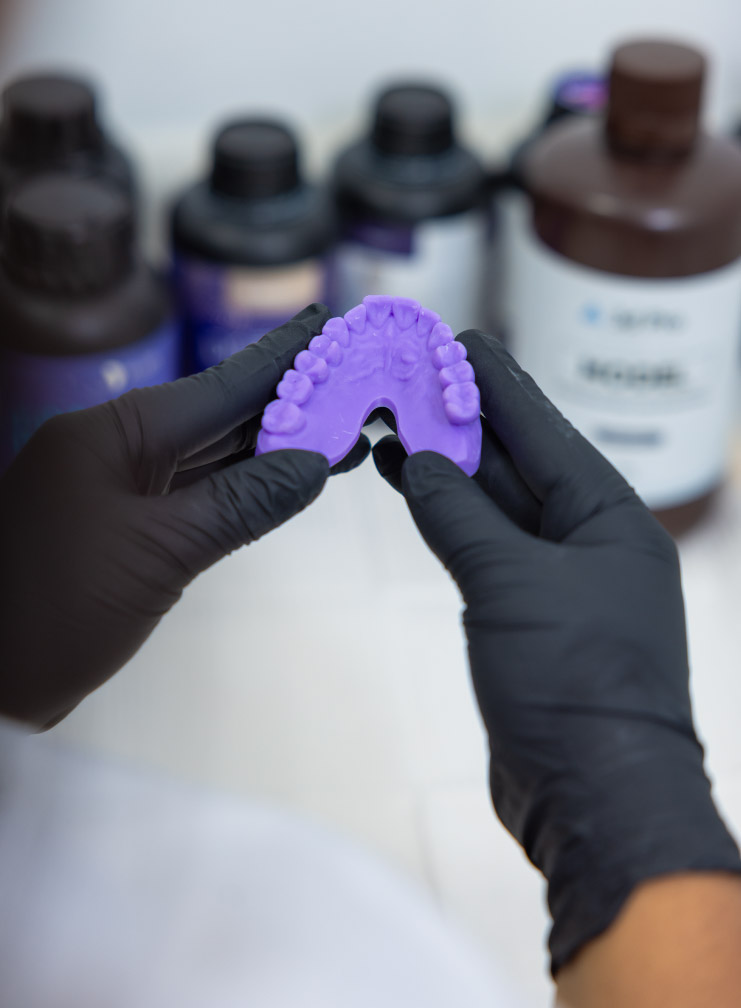
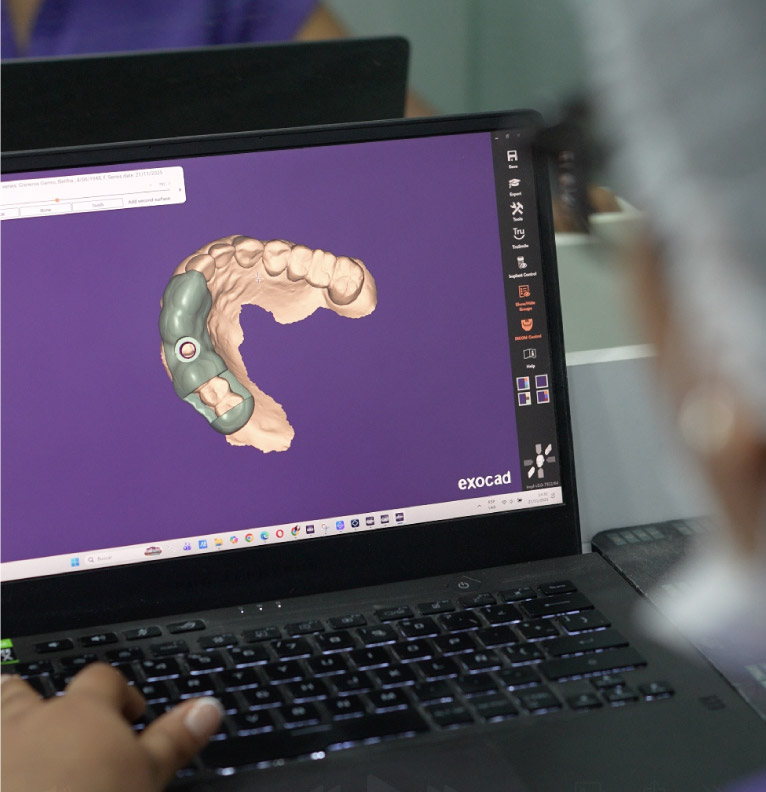
Placement of a crown to restore the tooth’s aesthetics, structure, and function.
Intraoral scanner and precision milling tools.
2–3 sessions, each lasting approximately 30–40 minutes.
Natural aesthetics, bite stability, and long-term protection.
Maintain consistent oral hygiene and attend regular follow-up appointments.
How long will it last?
Does it contain metal?
Could it come loose?
The foundation of the tooth is rebuilt to ensure proper support and accurate adaptation of the crown.
Intraoral scanner, precision milling tools, and restorative materials.
Approximately 30–40 minutes.
Provides stability and support for subsequent restorative treatments.
Maintain strict oral hygiene.
How long will it last?
Will I be able to eat normally?
What does the procedure involve?
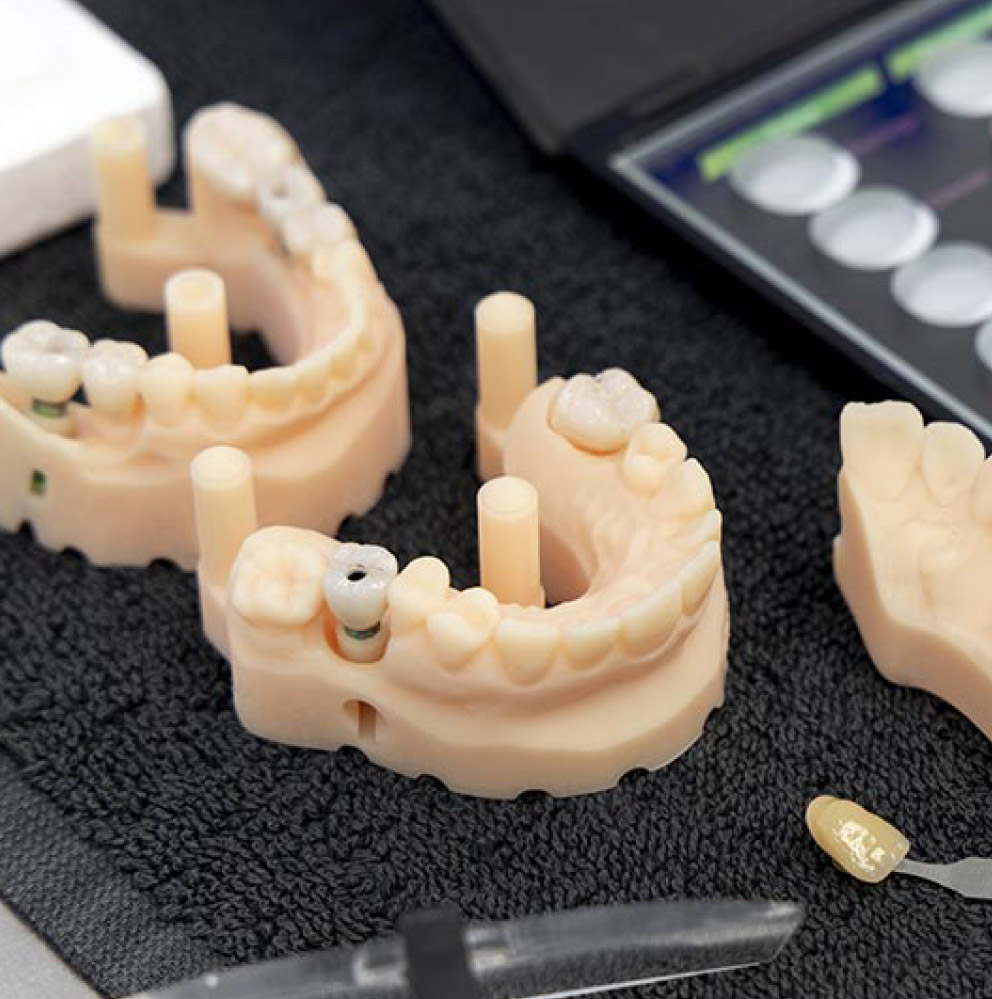
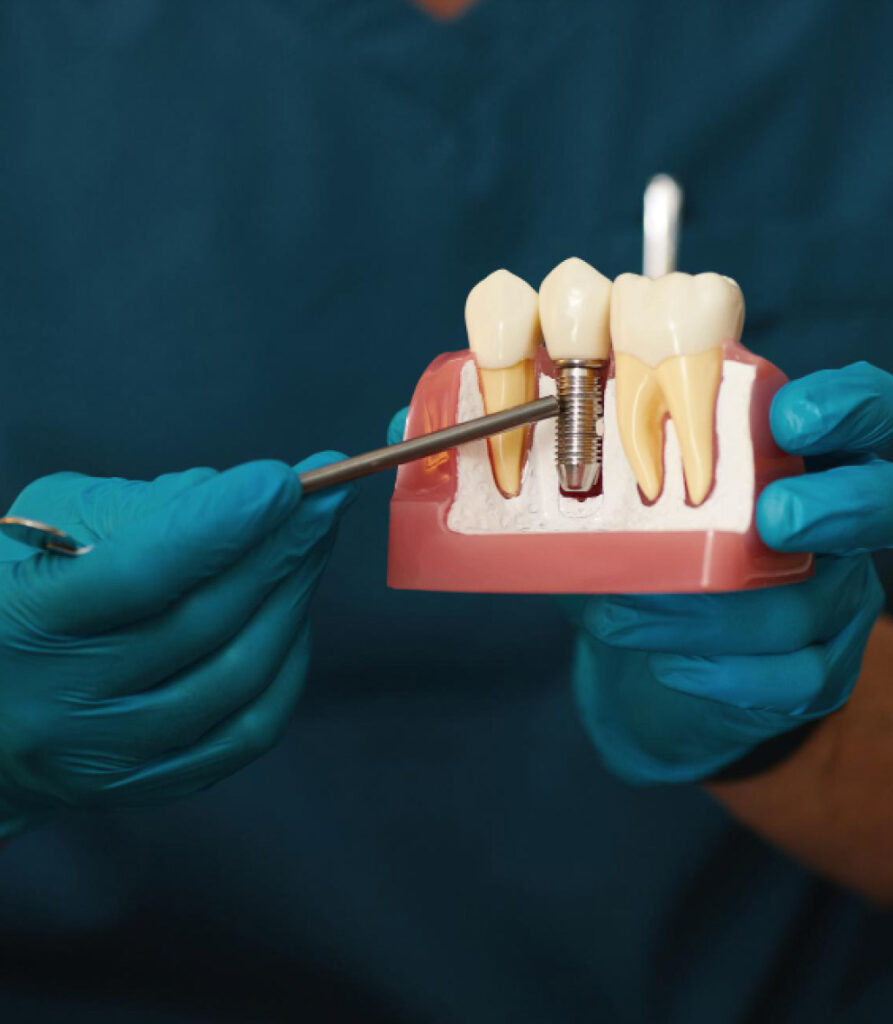
A post is placed inside the root canal to reinforce the tooth and provide additional support.
Precision drilling instruments and adhesive cements.
Approximately 30–40 minutes.
Improves tooth strength and extends the lifespan of the restoration.
Maintain careful oral hygiene in the treated area.
What is the difference compared to a metal post?
Will it bond securely to the tooth?

At Dentrust, we aim to transform the dental experience by combining science, digital technology, and an ethical approach in every clinical decision.
Copyright © 2026 All Rights Reserved.